Cross-generational cells within the child
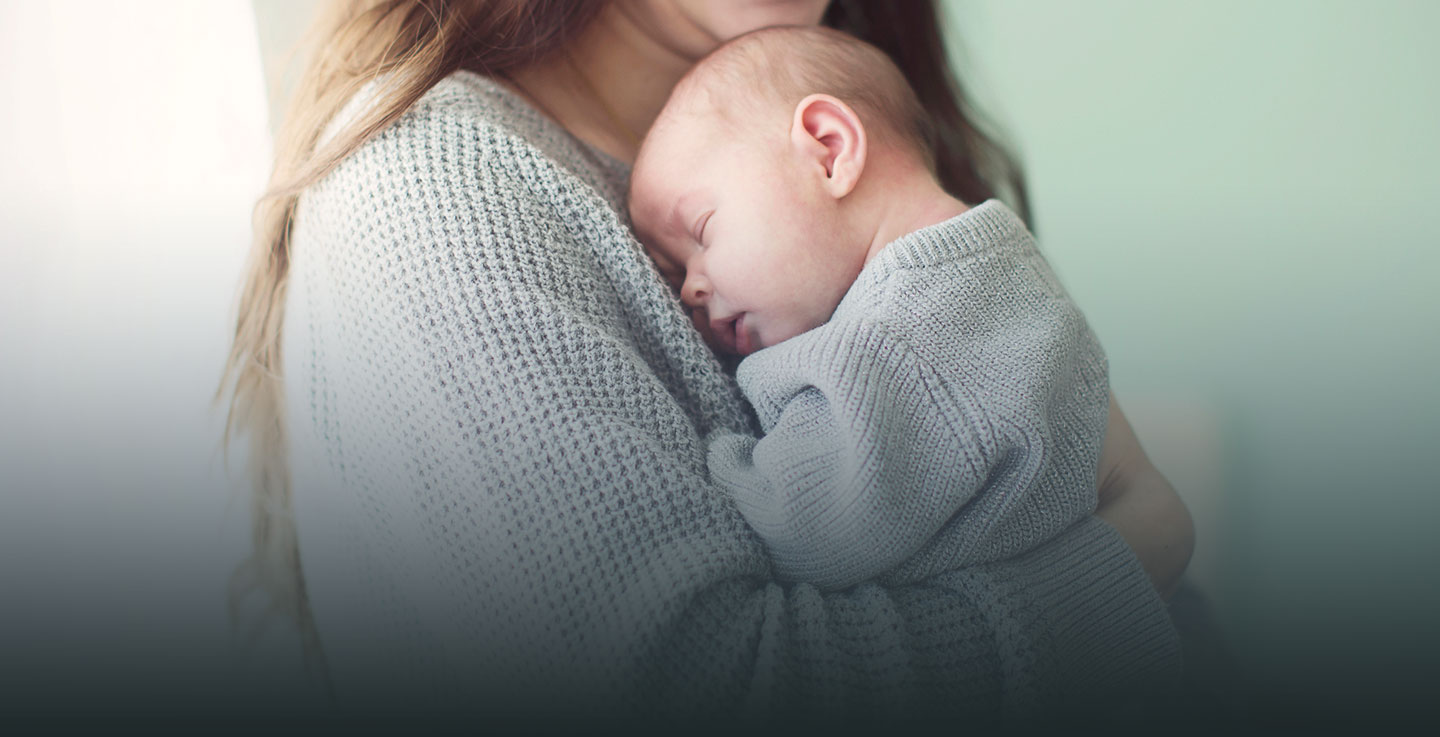
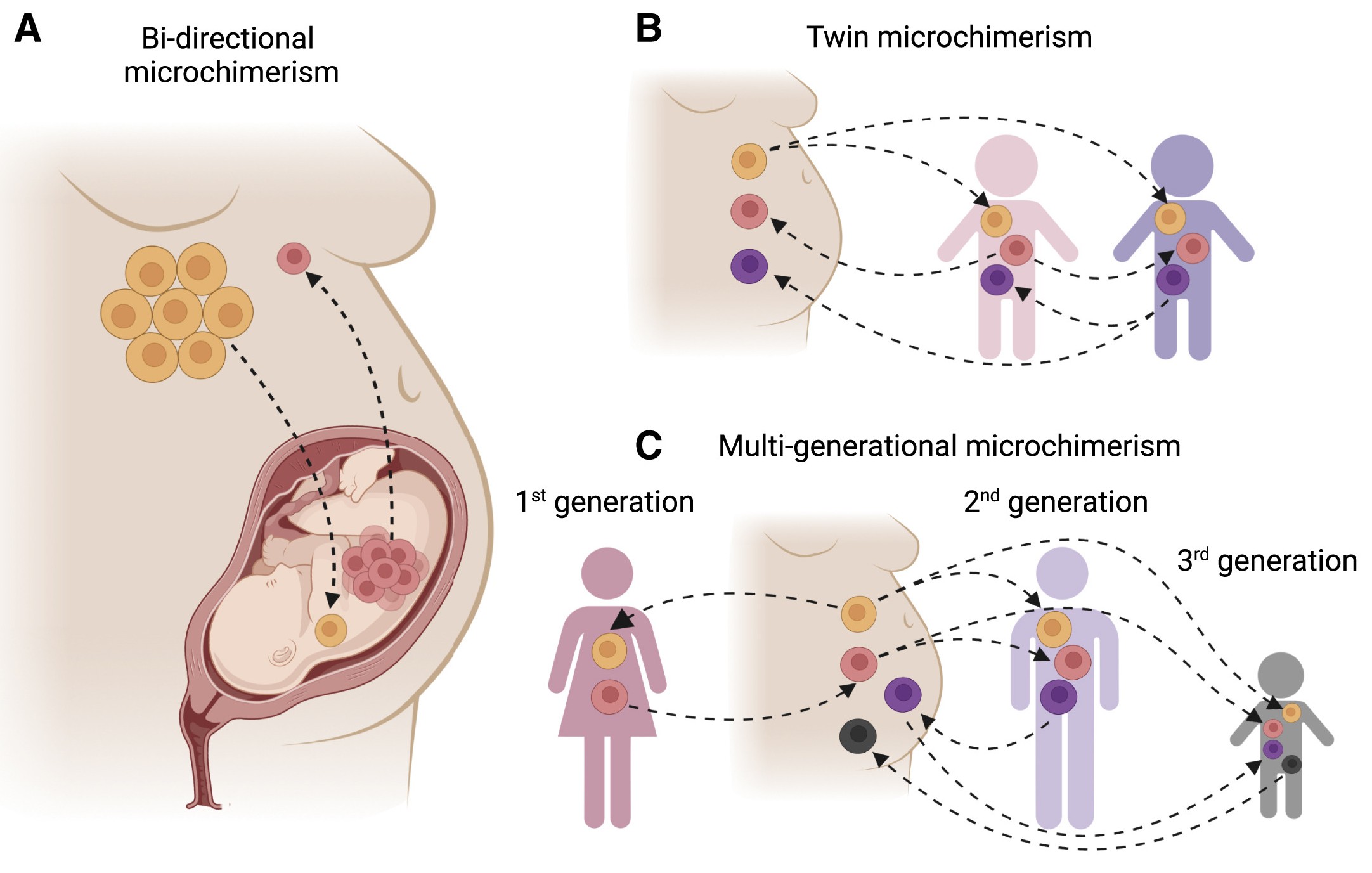
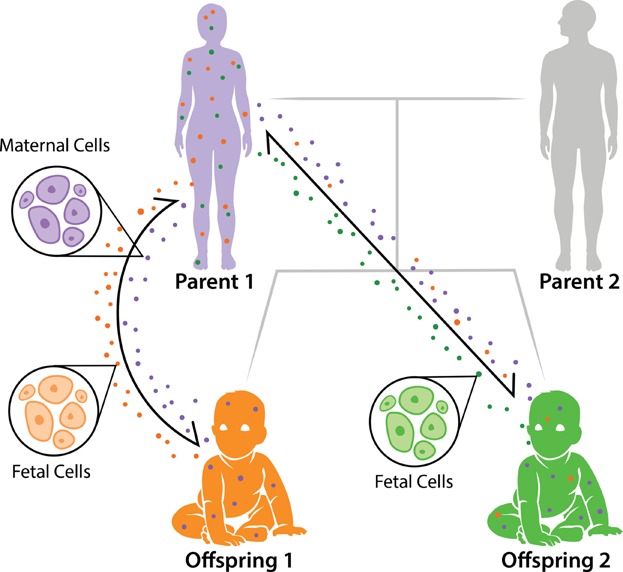
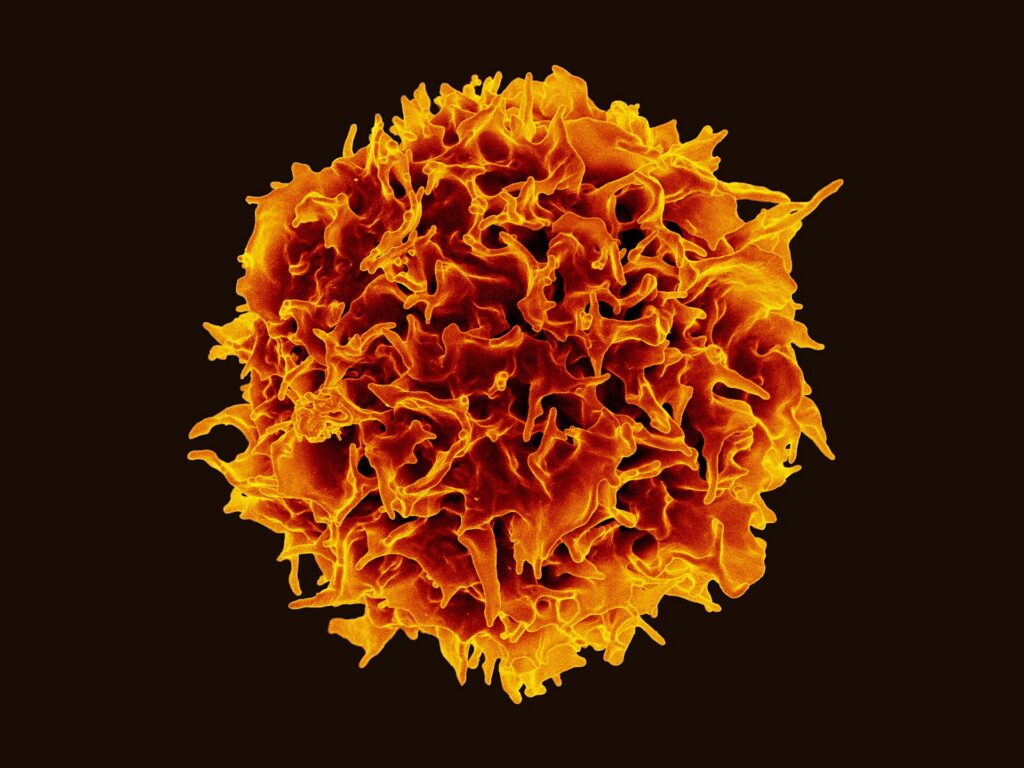
The cellular exchange works in the opposite direction as well. Maternal cells include immune cells and blood-forming stem cells that can persist for years. Their presence appears to help teach the immune system to distinguish friend from foe. During fetal development, maternal cells may help train the child’s immune system to tolerate maternal tissues while shaping its early immune responses. Researchers are still investigating exactly how these long-lived maternal cells affect health later in life, but evidence suggests they play a meaningful role in establishing immune function before birth.15
Perhaps even more surprising is that this cellular legacy can span multiple generations. A woman may continue carrying cells she received from her own mother while she was developing in the womb. During her own pregnancy, some of those inherited cells can cross the placenta into her child. In 2021, researchers identified cells originating from a baby’s maternal grandmother in five of 28 umbilical-cord blood samples, providing direct evidence that living cells can pass across two pregnancies and connect three generations.16 A newborn, in other words, may begin life carrying cells not only from his mother but also from his grandmother.
Similarly, fetal cells from an older sibling may enter the mother during an early pregnancy, and pass to a younger sibling in a subsequent pregnancy. Therefore, a newborn may also carry living cells from his siblings as well. 17 These discoveries are reshaping how scientists think about pregnancy—not simply as a temporary physiological state, but as the beginning of a lifelong cellular partnership.