The
Voyage of Life



Women Have Real Choices: Did you know? There are 15 better women’s service providers for every Planned Parenthood center.

Abortion Drug Facts: Research shows the rate of abortion pill-related emergency room visits has increased.

Pregnancy Center Reports: Read about the work of pregnancy centers nationally and at the state level.

Pro-Life Safety Net Reports: State-run programs in pro-life states that serve families, fathers, pregnant women and unborn children.

Evaluation Of Human Fetal Tissue Research: Learn about federal funding for research using human fetal tissue.

Stem Cell Research Facts: Learn about the incredible possibilities of stem cell research.

Signs of Life: One of the most striking things about the realm of science fiction is that it is seldom fiction.
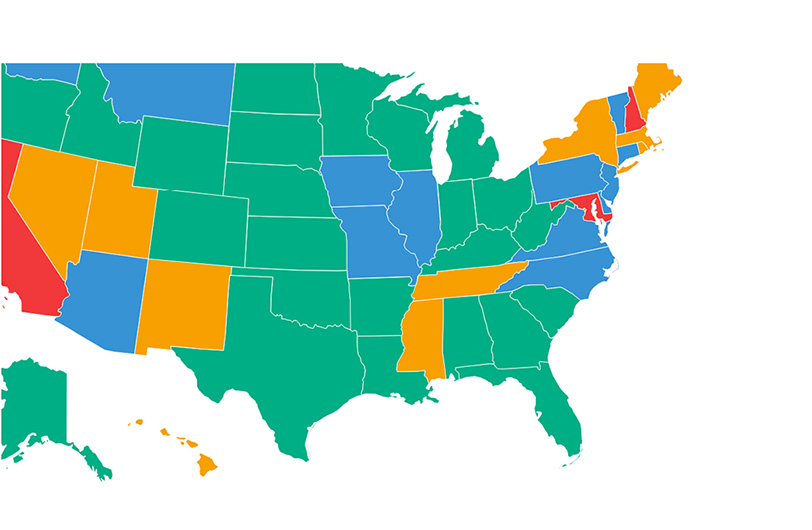
State Abortion Reporting: Learn about state abortion reporting.

Facts not Fear: Will Pro-Life State Laws Hurt Women and Hinder Doctors?

Assault on Science: Refuse to let journals and editors launch meritless attacks without a fight.


Women Have Real Choices: Did you know? There are 15 better women’s service providers for every Planned Parenthood center.
Abortion Drug Facts: Research shows the rate of abortion pill-related emergency room visits has increased.
Pregnancy Center Reports: Read about the work of pregnancy centers nationally and at the state level.
Pro-Life Safety Net Reports: State-run programs in pro-life states that serve families, fathers, pregnant women and unborn children.
Evaluation Of Human Fetal Tissue Research: Learn about federal funding for research using human fetal tissue.
Stem Cell Research Facts: Learn about the incredible possibilities of stem cell research.
Signs of Life: One of the most striking things about the realm of science fiction is that it is seldom fiction.
State Abortion Reporting: Learn about state abortion reporting.
Facts not Fear: Will Pro-Life State Laws Hurt Women and Hinder Doctors?
Assault on Science: Refuse to let journals and editors launch meritless attacks without a fight.
Your donation helps us continue to provide world-class research in defense of life.
DONATEPhone: 202-223-8073
Fax: 571-312-0544
2776 S. Arlington Mill Dr.
#803
Arlington, VA 22206
There are two common systems for denoting a baby’s prenatal age. Embryologists use post-conception age, referring to the length of the pregnancy from the time of conception. Most obstetricians, medical professionals, and mothers use gestational age, which starts at the beginning of a woman’s last menstrual period. This website refers to the baby’s gestational age unless otherwise indicated.
Ovulation and conception often occur approximately two weeks after the start of a woman’s menstrual cycle. The menstrual cycle lasts about 28 days. Each month, it prepares her body for a possible pregnancy. Therefore, the week of a woman’s period and the week afterwards gets counted towards her baby’s gestational age, even though she was not technically pregnant at that time. If a woman does not become pregnant after ovulation, she will start her next menstrual period about two weeks later.
Pregnancy starts at conception, also known as fertilization. Conception occurs about 24 hours after a woman ovulates. If a woman knows exactly when she conceived, then she can calculate the baby’s gestational age by adding two weeks to the post-conception age. If a doctor tells a woman that she is 6 weeks pregnant, then the preborn child has been growing inside her for 4 weeks. Similarly, if a woman gives birth when she is 40 weeks pregnant, the baby has only been alive for 38 weeks.