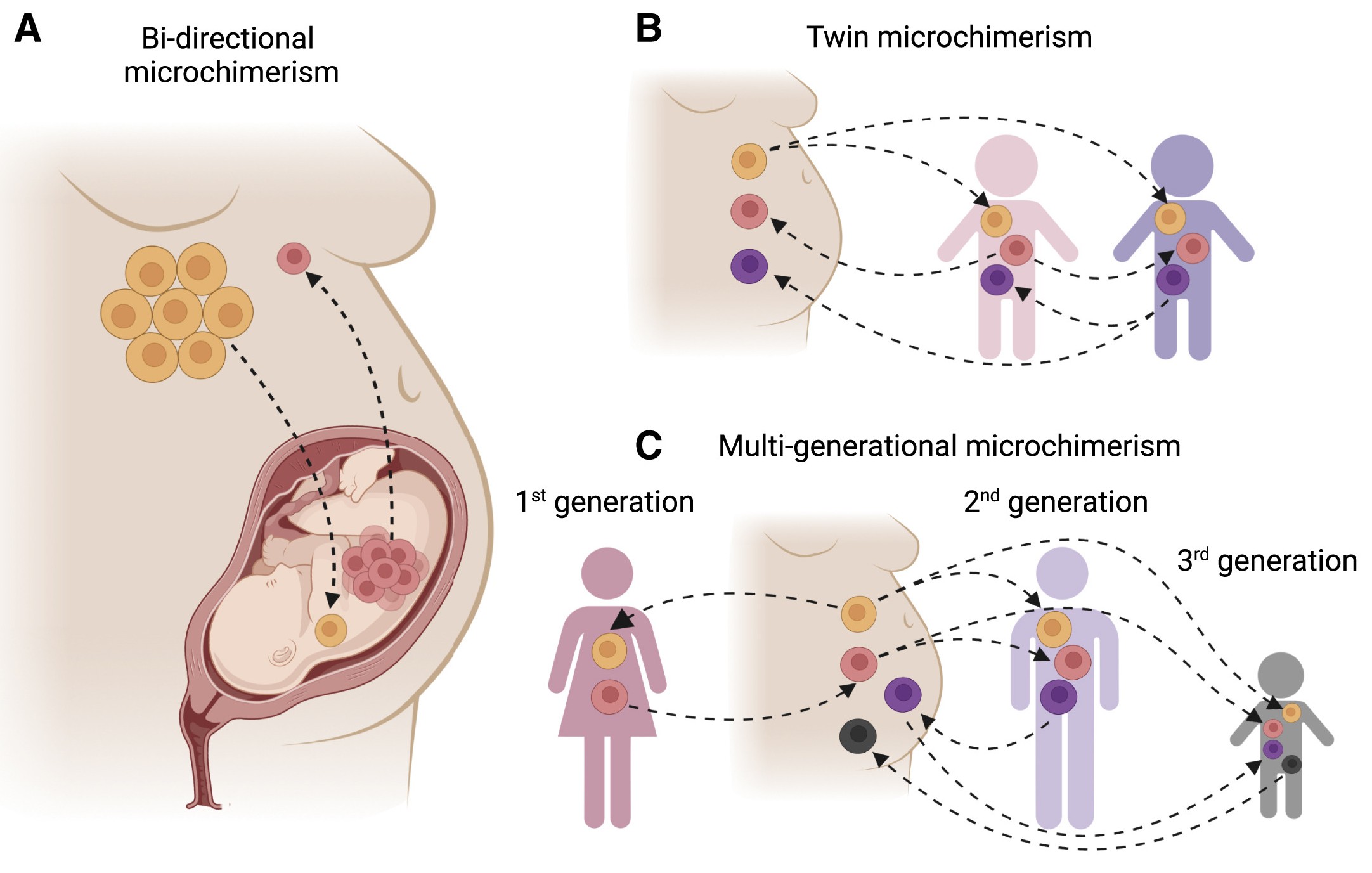
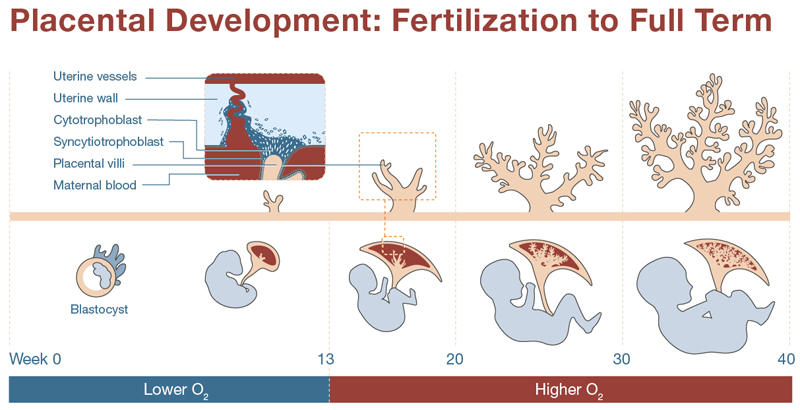
Researchers call this phenomenon microchimerism, the presence of a small population of genetically distinct cells living within another person. During pregnancy, cells travel in both directions across the placenta. Fetal cells enter the mother’s body, while maternal cells enter the developing baby. Rather than acting as a barrier, the placenta carefully regulates the exchange of oxygen, nutrients, hormones, antibodies—and even living cells. These are not fragments of DNA, but living cells capable of dividing and, in some cases, developing into specialized tissues.6 7
Become A Defender of Life
Your donation helps us continue to provide world-class research in defense of life.
DONATECharlotte Lozier Institute
Phone: 202-223-8073
Fax: 571-312-0544
2776 S. Arlington Mill Dr.
#803
Arlington, VA 22206
Fetal microchimerism
Imagine a woman in her seventies carrying living cells that came from the baby she carried decades earlier. It sounds like science fiction, yet researchers have found fetal cells circulating in mothers as long as 38 years after childbirth.1 2 Some of those cells have even become functional heart muscle cells.3 Even more astonishing, newborns can sometimes carry cells from both their mother and grandmother.4
These discoveries are transforming scientists’ understanding of pregnancy. Rather than ending with delivery, pregnancy may establish a biological relationship that lasts for decades and across generations. Throughout gestation, mothers and their developing babies exchange living cells that cross the placenta, enter one another’s tissues, and sometimes remain for life. Scientists are only beginning to understand what these enduring cells do, but evidence suggests they may help shape the immune system, respond to tissue injury, and reveal new clues about pregnancy complications.5
Most fetal cells disappear after pregnancy, but some settle for decades throughout the mother’s body. Researchers have identified them decades later in blood, bone marrow, thyroid, liver, breast, skin, and even the heart.8 9 Researchers can distinguish fetal-origin cells from the mother’s cells by identifying genetic markers on the surface of cells that help the immune system recognize which cells belong to the body.10 A study involving hundreds of women between one and eight years after delivery found that similarity in these genetic markers between mother and baby influences how many fetal cells remain after pregnancy.11
The circulating fetal cells are biologically active. They have been found migrating toward injured tissues, apparently responding to chemical distress signals released by injured organs. Some mature into cells resembling blood vessels, immune cells, liver, thyroid, skin or even heart tissue.12 13 14 Although scientists have not yet shown that these cells routinely repair maternal tissues, growing evidence suggests they may contribute to healing.
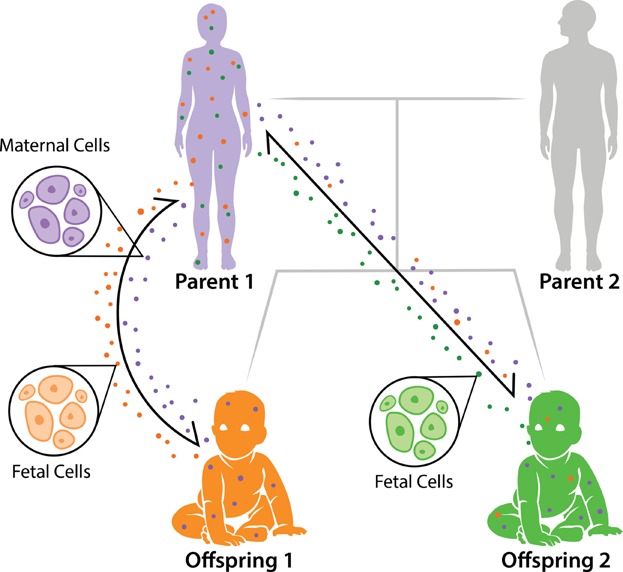
The cellular exchange works in the opposite direction as well. Maternal cells include immune cells and blood-forming stem cells that can persist for years. Their presence appears to help teach the immune system to distinguish friend from foe. During fetal development, maternal cells may help train the child’s immune system to tolerate maternal tissues while shaping its early immune responses. Researchers are still investigating exactly how these long-lived maternal cells affect health later in life, but evidence suggests they play a meaningful role in establishing immune function before birth.15
Perhaps even more surprising is that this cellular legacy can span multiple generations. A woman may continue carrying cells she received from her own mother while she was developing in the womb. During her own pregnancy, some of those inherited cells can cross the placenta into her child. In 2021, researchers identified cells originating from a baby’s maternal grandmother in five of 28 umbilical-cord blood samples, providing direct evidence that living cells can pass across two pregnancies and connect three generations.16 A newborn, in other words, may begin life carrying cells not only from his mother but also from his grandmother.
Similarly, fetal cells from an older sibling may enter the mother during an early pregnancy, and pass to a younger sibling in a subsequent pregnancy. Therefore, a newborn may also carry living cells from his siblings as well. 17 These discoveries are reshaping how scientists think about pregnancy—not simply as a temporary physiological state, but as the beginning of a lifelong cellular partnership.

Researchers are also studying whether microchimerism contributes to pregnancy complications such as preeclampsia, a condition characterized by maternal high blood pressure and organ dysfunction. Women with preeclampsia often have higher numbers of fetal cells in their blood, although scientists still do not know whether these cells help cause the disease or simply respond to placental injury.18
Genetics may also influence this process. Fetal genetic markers inherited from the father may account for approximately 13 percent of the genetic risk for preeclampsia.19 Meanwhile, researchers continue searching for new treatments. In a 2026 pilot trial involving 16 women with very preterm preeclampsia, a blood-filtering treatment reduced circulating placental proteins and allowed pregnancy to continue for a median of 10 days after hospital admission, compared with four days among untreated patients — an extension that can make a meaningful difference for premature infants.20
Scientists once viewed pregnancy as a temporary biological partnership that ended at birth. Microchimerism tells a different story. Mother and child exchange living cells that can survive for decades, participate in immune function, respond to injury, and even span multiple generations. Long after pregnancy ends, the mother and child remain biologically connected.