





Use our account feature to register for a free CLI account. Your new account will allow you to bookmark and organize articles and research for easy reference later - making it simple to keep track of the research that's important to you!
Register / Sign in
Search Icon
Search Icon
Use our account feature to register for a free CLI account. Your new account will allow you to bookmark and organize articles and research for easy reference later - making it simple to keep track of the research that's important to you!
Register / Sign in
close-panel

Charlotte Lozier Institute

Phone: 202-223-8073
Fax: 571-312-0544

2776 S. Arlington Mill Dr.
#803
Arlington, VA 22206

Get Notifications

Sign up to receive email updates from Charlotte Lozier Institute.

This field is for validation purposes and should be left unchanged.

Become A Defender of Life

Your donation helps us continue to provide world-class research in defense of life.

DONATE

Charlotte Lozier Institute

Phone: 202-223-8073
Fax: 571-312-0544

2776 S. Arlington Mill Dr.
#803
Arlington, VA 22206

Life & the LawAbortion Drugs

FDA Approves Generic Abortion Drug Despite Scientific Evidence of Risks to Mothers

ER visits, complications, and pain levels highlight dangers overlooked in FDA approval of generic abortion drug

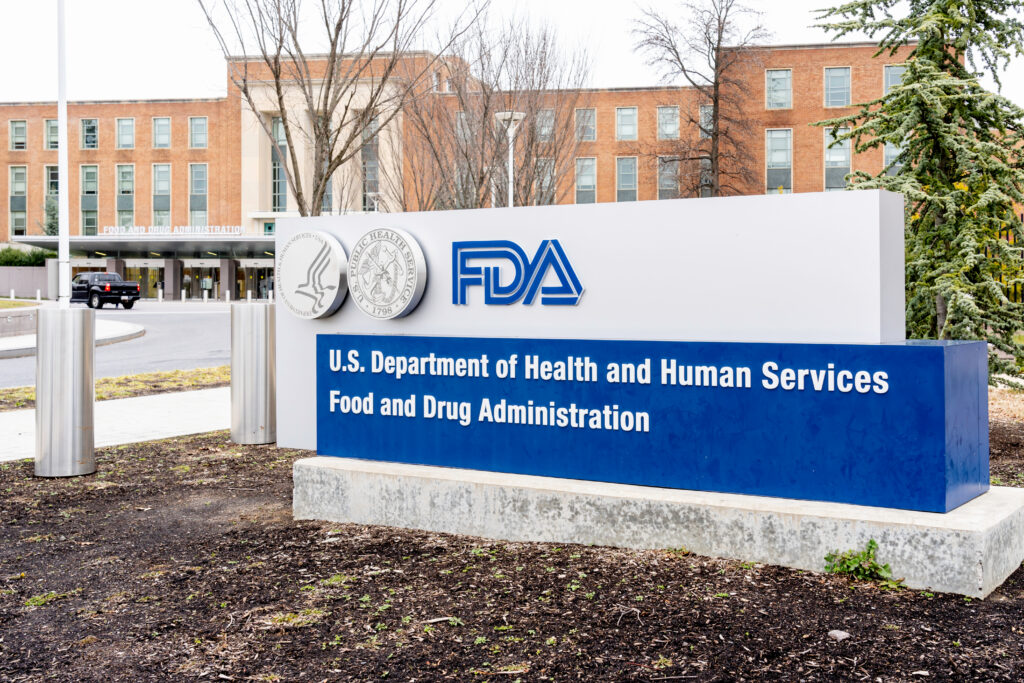
Washington D.C.—Earlier this week, the Food and Drug Administration (FDA) quietly approved a generic abortion drug produced by Evita Solutions. Evita Solutions seeks to “normalize abortion care” and states that “all people should have access to safe…effective and compassionate abortion care.”

A growing body of peer-reviewed research, including from the Charlotte Lozier Institute (CLI), show the drugs are far more dangerous than advertised, putting women and girls at serious risk.

Findings include:

  • ER visit severity: 75% of visits from women who went to the ER after taking abortion drugs were coded as severe or critical by the final year of the study.
  • Miscoding risks: ER visits after abortion drug use were 79% more likely to be miscoded as miscarriages compared to surgical abortions. Miscoded visits were 50% more likely to be labeled high acuity.
  • Pain levels: About 40% of women reported severe pain following abortion drugs, rating it between an 8-10 on the pain scale.
  • Complication rate: The complication rate of abortion drugs is four times higher than that of surgical abortion.
  • “Safer than Tylenol”: The prolific talking point that abortion drugs are “safer than Tylenol” is completely baseless and lacking scientific credibility and evidence.

Dr. Ingrid Skop, vice president and director of medical affairs for CLI and a board-certified OB-GYN, said:

“In over 30 years of experience as an OB-GYN, I’ve seen firsthand the devastating effects abortion drugs have on both of my patients, a mother and her unborn baby. I have cared for many women in the ER suffering from complications of these dangerous drugs, including retained tissue, infection and hemorrhage, sometimes requiring emergency surgery. Because of the Biden administration’s policies, abortion advocates removed doctors from the picture, pushing women to suffer their abortions at home and many times alone which puts their lives at risk. We must find ways to serve pregnant women with love and compassion when they are facing an unexpected pregnancy so they can safely bring their children into the world.”


Charlotte Lozier Institute was launched in 2011 as the education and research arm of Susan B. Anthony Pro-Life America. CLI is a hub for research and public policy analysis on some of the most pressing issues facing the United States and nations around the world. The Institute is named for a feminist physician known for her commitment to the sanctity of human life and equal career and educational opportunities for women.

###

Latest Posts

September 25, 2026 Peer-Reviewed Research on Online Narratives About Abortion Drugs Peer-Reviewed Research on Online Narratives About Abortion Drugs September 25, 2026 A woman sits cross-legged on a bed, holding her stomach with one hand and touching her forehead with the other, appearing to be in discomfort or pain—an image that may reflect the emotional and physical toll following pregnancy loss. A History of Pregnancy Loss is a Risk Factor for Severe Maternal Morbidity in a First Live Birth: A Retrospective Cohort Study September 16, 2026 A person with pink nail polish holds a glass of water in one hand and a white pill in the other, their head bowed down, partially obscured by their hair—a quiet moment that reflects many women’s experiences as shared through online narratives about medication abortion. Examining women’s experiences with medication abortion: a critical inquiry of women’s online narratives post-Dobbs

You Might Also Be Interested In

Fact Sheet: Fetal Development Education in the United States

September 15, 2026
Please login to bookmark Close
An orange life ring with silver reflective stripes floats on the surface of calm water, much like how ongoing discussions about the Hyde Amendment impact continue to ripple through society.

Hyde Turns 50: Analyzing the Impact of the Hyde Amendment, with 2026 Addendum

September 14, 2026
Please login to bookmark Close
A green gradient graph with a yellow line showing an upward trend on a wavy background, with a subtle light source in the top left corner—visually representing the changes in abortions in America post-Dobbs and highlighting the 2026 update.

How Many Abortions Are Occurring in America Post-Dobbs? A September 2026 Update

September 4, 2026
Please login to bookmark Close

Become A Defender of Life

Your donation helps us continue to provide
world-class research in defense of life.

BECOME A PARTNER
cta-image