










New CLI Report Sounds the Alarm on Euthanasia of Disabled Persons by Denial of Food and Water

FOR IMMEDIATE RELEASE: November 30, 2017
Contact: Nicole Stacy, [email protected], 202-223-8073
Outdated Information and Dehumanizing Terminology Puts Patients’ Lives at Risk, Says CLI Scholar & Advocate Bobby Schindler
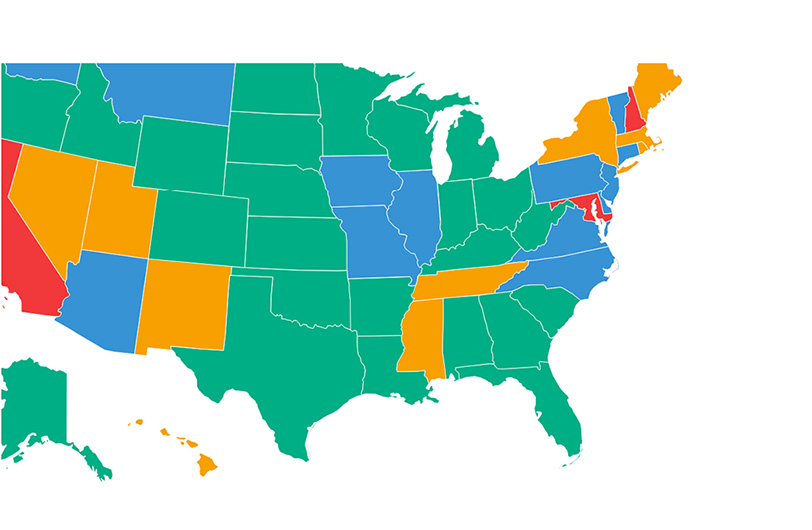
Washington, D.C. – A new report by Charlotte Lozier Institute (CLI) Associate Scholar Bobby Schindler sheds light on the widespread legality of euthanasia by denial of food and water as well as recent legislative attempts to redefine these basic, ordinary needs as medical treatment, calling on the medical and legal communities to bring their approach to states of diminished consciousness into line with current neuroscience and to protect vulnerable patients’ human rights.
In Basic Care, Human Dignity, and Care for Medically Vulnerable Persons, Schindler examines the history and devastating effects of the designation persistent vegetative state, which he calls “one of the most arbitrary and subjectively applied diagnoses in clinical practice,” explaining:
“A PVS diagnosis not only results in denial of insurance benefits, but also leads physicians to seek to convince the family decision-makers for medically vulnerable patients—who, it must be underscored, are not dying—to ‘allow their loved one to die’ by denying them food and water by means of the feeding tubes they rely on due to their brain injury. Because these decisions are often presented in the same way as decisions about terminal patients who are actively dying and whose bodies are in the process of shutting down, families often consent to this misrepresented means of euthanasia by omission.”
Hailing early signs of positive change in the way some physicians discuss and think about minimally conscious patients, Schindler continues:
“A fundamental insight about human dignity is that we possess it regardless of our physical or mental condition, and regardless of our stage of life. Embracing the language of ‘unresponsive wakefulness’ and abandoning the pejorative ‘vegetative’ language cannot occur quickly enough for patients whose moral status is compromised by the way our words shape the reality of their diminished medical care.”
CLI President Chuck Donovan welcomed the new report, saying:
“Terminology matters, and over the course of the last 50 years attitudes have shifted, sometimes dramatically, due to the abandonment of careless and even cruel terms for the disabled, the elderly, and other vulnerable people. That needs to happen here as well, and the sooner the better. Bobby Schindler’s argument is framed not just from personal experience but a universal understanding of the concepts and words that capture and celebrate our common humanity.”
Schindler is president of the Terri Schiavo Life & Hope Network and advocates for the medically vulnerable in honor of Terri Schiavo, his sister. A full-time pro-life advocate, Schindler and his family have been instrumental in providing resources and support to more than 2,500 patients and families at risk of euthanasia.
Charlotte Lozier Institute was launched in 2011 as the education and research arm of Susan B. Anthony List. CLI is a hub for research and public policy analysis on some of the most pressing issues facing the United States and nations around the world. The Institute is named for a feminist physician known for her commitment to the sanctity of human life and equal career and educational opportunities for women.
###