The
Voyage of Life



Women Have Real Choices: Did you know? There are 15 better women’s service providers for every Planned Parenthood center.

Abortion Drug Facts: Research shows the rate of abortion pill-related emergency room visits has increased.

Pregnancy Center Reports: Read about the work of pregnancy centers nationally and at the state level.

Pro-Life Safety Net Reports: State-run programs in pro-life states that serve families, fathers, pregnant women and unborn children.
Evaluation Of Human Fetal Tissue Research: Learn about federal funding for research using human fetal tissue.

Stem Cell Research Facts: Learn about the incredible possibilities of stem cell research.

Signs of Life: One of the most striking things about the realm of science fiction is that it is seldom fiction.
State Abortion Reporting: Learn about state abortion reporting.

Facts not Fear: Will Pro-Life State Laws Hurt Women and Hinder Doctors?

Assault on Science: Refuse to let journals and editors launch meritless attacks without a fight.


Women Have Real Choices: Did you know? There are 15 better women’s service providers for every Planned Parenthood center.
Abortion Drug Facts: Research shows the rate of abortion pill-related emergency room visits has increased.
Pregnancy Center Reports: Read about the work of pregnancy centers nationally and at the state level.
Pro-Life Safety Net Reports: State-run programs in pro-life states that serve families, fathers, pregnant women and unborn children.
Evaluation Of Human Fetal Tissue Research: Learn about federal funding for research using human fetal tissue.
Stem Cell Research Facts: Learn about the incredible possibilities of stem cell research.
Signs of Life: One of the most striking things about the realm of science fiction is that it is seldom fiction.
State Abortion Reporting: Learn about state abortion reporting.
Facts not Fear: Will Pro-Life State Laws Hurt Women and Hinder Doctors?
Assault on Science: Refuse to let journals and editors launch meritless attacks without a fight.
Your donation helps us continue to provide world-class research in defense of life.
DONATEPhone: 202-223-8073
Fax: 571-312-0544
2776 S. Arlington Mill Dr.
#803
Arlington, VA 22206
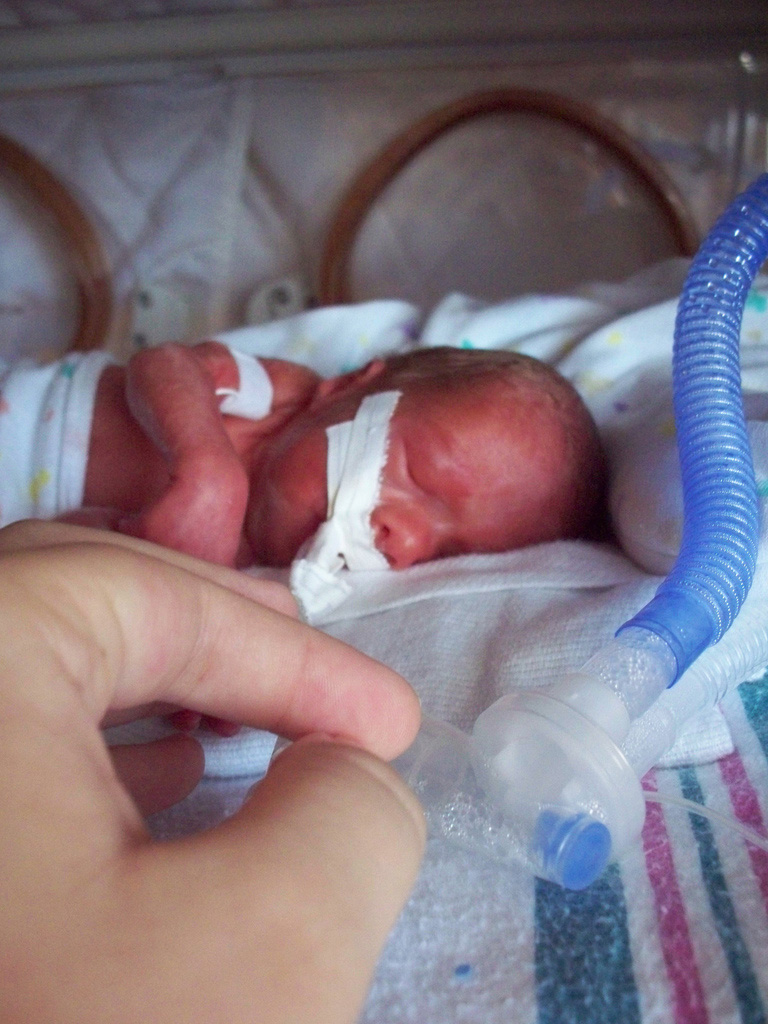
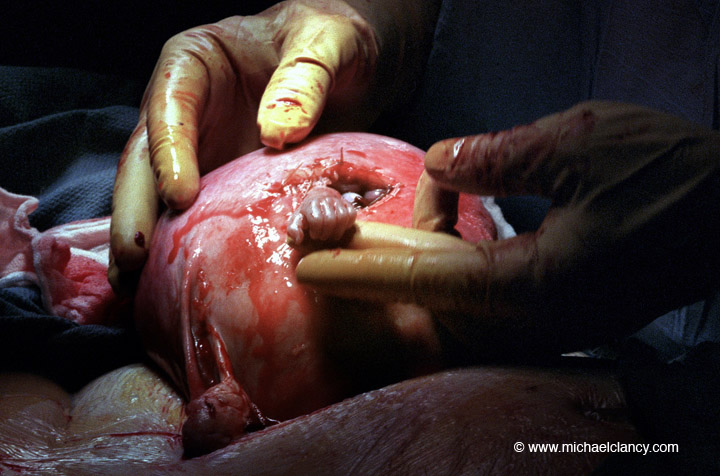
The age of viability is the gestational age when the fetus has a chance to live outside the womb. The youngest babies to survive have been born at 21 weeks gestation.1 By 23 weeks gestation, more than half of all extremely premature babies live.2 However, they are usually extremely small, sometimes less than a pound, and need intense medical intervention to survive.
Medical advances worldwide have made it possible to save extremely premature babies at earlier and earlier ages making the age of viability younger and younger. Years ago, doctors were surprised to save children born at 23 weeks gestation. Now, treating children at 23 weeks has become more commonplace. More than half of extremely premature infants born in the United States at 23 weeks survive, and about ¼ of babies born at 22 weeks survive.3 4 5
Currently, pioneering medical teams are attempting to save children at 21 and 22 weeks gestation. Survival rates for extremely premature infants are much higher in hospitals that have invested in special equipment and training. In fact, one hospital in Cologne, Germany specializes in treating extremely premature infants. In this hospital, over 60% of babies born at 22 weeks survive.6 By comparison, in US hospitals, only 25% of babies born at 22 weeks survive.7 Thankfully many US hospitals are investing in the technology to save these miraculous newborns.8


Many technological advances have increased the chance of survival for extremely premature infants. These infants’ lungs are underdeveloped. Mature lungs are full of tiny air sacs, called alveoli. Oxygen and carbon dioxide move into and out of the blood in the alveoli. The alveoli resemble balloons. To keep the alveoli from sticking shut when a person exhales, the body produces a substance called surfactant that helps the alveoli reopen. Extremely premature infants do not produce enough surfactant, so doctors use a synthetic surfactant to help the alveoli stay open.9 10 Furthermore, doctors also help extremely premature infants create more of their own surfactant by giving the mother an injection of corticosteroids before anticipated preterm birth. The corticosteroids help the lungs mature more quickly, helping the infants breathe better outside the womb.11
Extremely premature babies often have trouble regulating their temperature, so special incubators and blankets keep them warm.12 Their blood pressure and blood flow are closely monitored, as is their nutritional intake. Special measures are taken to protect their eyes and skin from light and friction.13
While premature babies face many challenges, a parent’s body can help meet them. Through kangaroo care—skin-to-skin contact—a mother or father’s body helps the baby regulate temperature, stabilize breathing and heart rate, support feeding and growth, and reduce infection risk. Starting immediately after birth and spending many hours this way leads to better outcomes.16 17
As more hospitals invest in medical equipment needed to save babies at the edge of viability, and as they train their obstetrics and neonatology teams to treat these miraculous patients, more and more of them will survive,18 19 bringing joy and hope to many families.