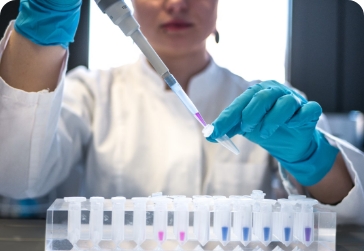
During the pregnancy, maternal antibodies can transfer to the developing baby. The earliest evidence of antibodies entering the fetal blood is from a study of fetuses as young as 16 weeks gestation.18 The number of antibodies in the unborn baby’s bloodstream rises continuously from 17 weeks until birth,19 with the sharpest increases in the last month of pregnancy.20 At birth, the baby usually has a higher concentration of antibodies than the mother to keep the baby from catching dangerous diseases.21
Become A Defender of Life
Your donation helps us continue to provide world-class research in defense of life.
DONATECharlotte Lozier Institute
Phone: 202-223-8073
Fax: 571-312-0544
2776 S. Arlington Mill Dr.
#803
Arlington, VA 22206
Weeks 17 & 18
Movements mom can feel
- Post-conception week 15&16
- 4 Months Pregnant
- Gestational Weeks 17&18
Although babies begin moving at about 7½ weeks, they usually are not strong enough for the mother to feel until around 16 weeks in later pregnancies and about 18 weeks in first pregnancies.4 This milestone, called quickening, is felt through the mother’s abdominal wall, since the uterus itself is mostly insensitive to touch.5
Stress and pain responses in the unborn have been recorded from unborn children as young as 18 weeks gestation. When doctors used a needle to draw blood from a vein near the fetal liver, the fetus responded with “vigorous body and breathing movements” similar to recoiling. Furthermore, five minutes after the transfusion, large increases in stress hormones were observed in the fetus’s blood, but not the mother’s blood, showing that the unborn baby’s stress response was separate from the mother’s. Additionally, when a needle was inserted into the umbilical cord, which does not have pain receptors, the baby did not respond with a large increase in circulating stress hormones. This shows that the hormones are released in response to the sensation of pain.6
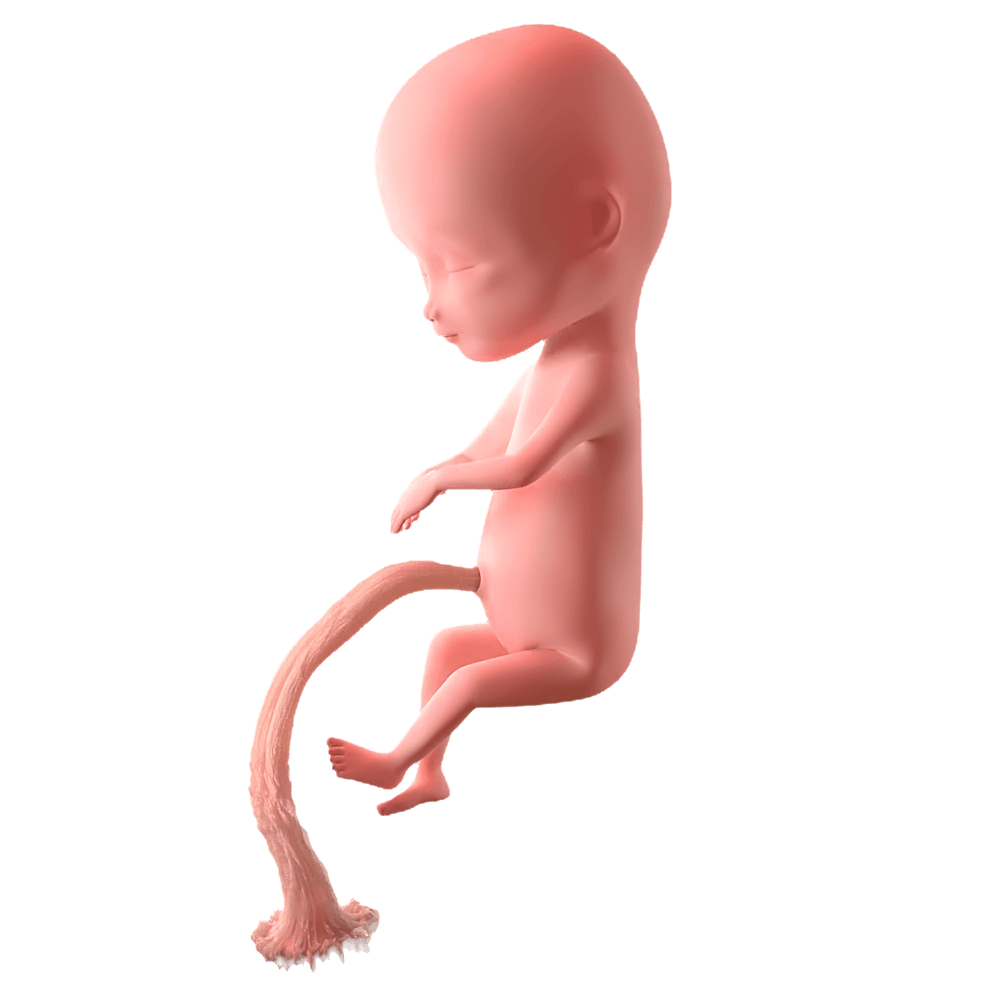
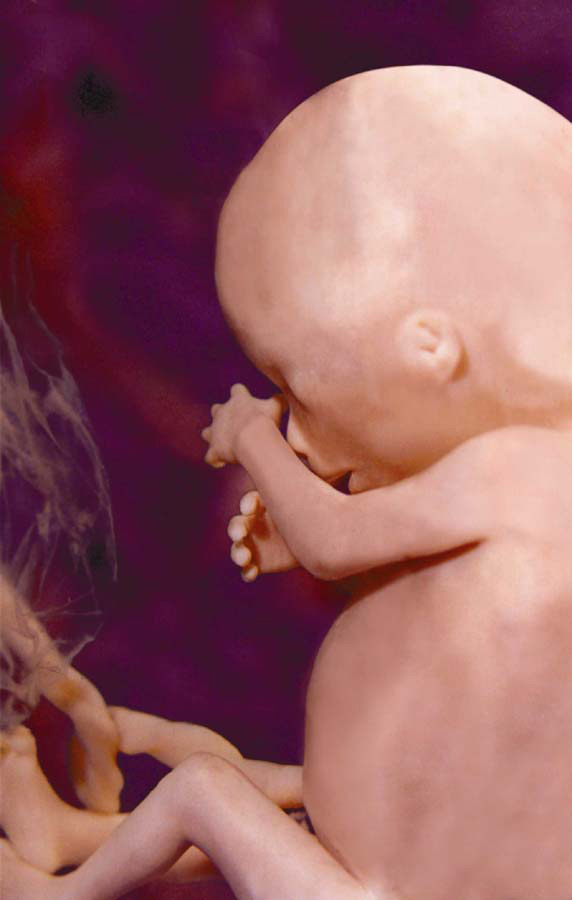
By 17 weeks of pregnancy, the baby’s entire body is sensitive to light touch, with the possible exception of the inner thighs.7 The baby can make a variety of facial expressions including a squint, scowl, and sneering motion. 8 In ultrasounds, the baby has been seen smiling as early as 15 weeks, and the number of smiles increase in frequency at 18 weeks .9 The unborn baby will also grasp objects that come near him using all five fingers.10 Furthermore, some babies stretch upright with crossed legs, striking poses that resemble yoga.11 Even in these early weeks, their movements are varied, expressive, and surprisingly human.
The thin tissue that plugs the nostrils during early development dissolves by week 18, allowing amniotic fluid to bathe the inner nostrils of the unborn baby.12 As the baby practices breathing in the womb, amniotic fluid can now circulate through his nose. This allows chemicals in the amniotic fluid to interact with the young smell receptors.13 It remains unknown how much the fetus can smell before 28 to 30 weeks.
By 17 weeks, taste buds have reached their mature shape and the taste receptor cells have microvilli — microscopic fibers specialized for detecting food molecules.14 The microvilli on the taste receptor cells extend into the taste pore to interact with food molecules.15 These mature receptors make it possible for the fetus to detect tastes in the amniotic fluid.16

Prenatal surgery allows doctors to treat serious conditions in babies even before they are born. While surgeries have been performed as early as 12 and 15 weeks to correct bladder issues and unequal sharing of the placenta in twins, fetal surgery becomes more common after 18 weeks. Doctors use tiny instruments in minimally invasive procedures to treat a wide variety of problems with blood flow, lung formation, or bladder development while the baby remains safely in the womb. With more complicated problems, surgeons carefully open the uterus to repair the issues directly, then return the baby to the womb to continue growing.22 For babies with spina bifida for instance, these advances can protect delicate nerves, improve movement after birth, and give many children a stronger, more hopeful start to life.23
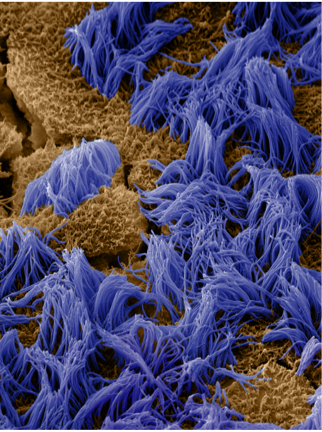
As the lungs develop, the bronchi branch repeatedly—about twenty times—into smaller bronchioles, eventually reaching the outer edges of the lungs by around 19 weeks of pregnancy.24 While these airways are growing, blood vessels, smooth muscle, and cartilage grow alongside the developing bronchi.25 Cartilage begins growing from the trachea around week 7 and extends to the smallest bronchioles by week 27.26 The bronchi are lined with cells that grow tiny hair-like structures called cilia, which start lining the airways as early as week 7.27 These cilia, about 200–300 per cell, help move mucus and debris out of the lungs to protect against infection.28
Around week 18, the airways finish forming in the lungs, and development shifts to creating sites of gas exchange. Small air sacs begin forming like grapes at the tips of the bronchioles. These will later develop into alveoli—the site of future gas exchange.29
The unborn baby frequently practices breathing in the womb. He usually waits about one second between breaths.30 Breathing movements help create distinct types of lung cells.31
By the last week of 4 months of pregnancy—17 weeks, the main fingerprint patterns—whorls, loops, and arches—have already formed, and smaller ridges begin to develop between them.32
Between 17 and 23 weeks, the unborn baby displays a wide range of eye activity, including sustained gazes and rapid shifts followed by repositioning movements.33 Scientists can use eye motion to tell whether the fetus is awake, in quiet sleep, or in rapid-eye movement sleep, when the unborn baby might be dreaming.34 However, rapid-eye movements are usually only detected after 23 weeks.35