
Research Authored












Women Have Real Choices: Did you know? There are 15 better women’s service providers for every Planned Parenthood center.

Abortion Drug Facts: Research shows the rate of abortion pill-related emergency room visits has increased.

Pregnancy Center Reports: Read about the work of pregnancy centers nationally and at the state level.

Pro-Life Safety Net Reports: State-run programs in pro-life states that serve families, fathers, pregnant women and unborn children.
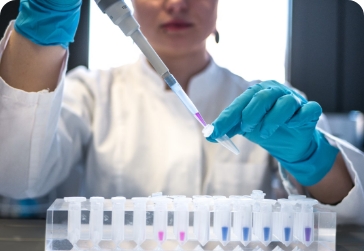
Evaluation Of Human Fetal Tissue Research: Learn about federal funding for research using human fetal tissue.

Stem Cell Research Facts: Learn about the incredible possibilities of stem cell research.

Signs of Life: One of the most striking things about the realm of science fiction is that it is seldom fiction.
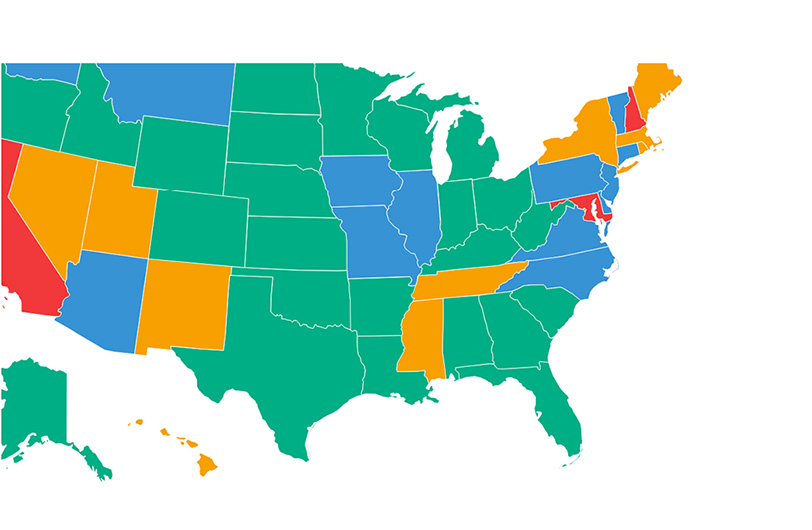
State Abortion Reporting: Learn about state abortion reporting.

Facts not Fear: Will Pro-Life State Laws Hurt Women and Hinder Doctors?

Assault on Science: Refuse to let journals and editors launch meritless attacks without a fight.


Women Have Real Choices: Did you know? There are 15 better women’s service providers for every Planned Parenthood center.
Abortion Drug Facts: Research shows the rate of abortion pill-related emergency room visits has increased.
Pregnancy Center Reports: Read about the work of pregnancy centers nationally and at the state level.
Pro-Life Safety Net Reports: State-run programs in pro-life states that serve families, fathers, pregnant women and unborn children.
Evaluation Of Human Fetal Tissue Research: Learn about federal funding for research using human fetal tissue.
Stem Cell Research Facts: Learn about the incredible possibilities of stem cell research.
Signs of Life: One of the most striking things about the realm of science fiction is that it is seldom fiction.
State Abortion Reporting: Learn about state abortion reporting.
Facts not Fear: Will Pro-Life State Laws Hurt Women and Hinder Doctors?
Assault on Science: Refuse to let journals and editors launch meritless attacks without a fight.
Your donation helps us continue to provide world-class research in defense of life.
DONATEPhone: 202-223-8073
Fax: 571-312-0544
2776 S. Arlington Mill Dr.
#803
Arlington, VA 22206

In the fourth week, the embryonic heart starts beating. The neural tube, which becomes the brain and spinal cord, forms. At this point, a woman has likely only been aware of her pregnancy for one week.

In the seventh week after conception, networks of neurons produce brain waves that have been recorded as early as 6 ½ weeks after conception. The embryo spontaneously moves his arms, hands, and legs, and may even hiccup. The embryo’s heart now has all four chambers.

By the seventeenth and eighteenth week after gestation, the fetus shows a clear response to pain in multiple studies, and at least one brain pathway is mature enough to create a perception of pain. The fetus also practices breathing, crying, and breastfeeding in the womb. The fetal heart has beat over 20 million times and circulates about 55 quarts of blood per day.

In the eighth month of pregnancy the fetal brain is ready to learn! At 32 weeks after conception, neurons are creating 40,000 new connections, called synapses, every second! With repeated exposures, the fetus can learn flavors, nursery rhymes, songs, and even words that she will recognize after birth!

Sign up to receive email updates from the Charlotte Lozier Institute.